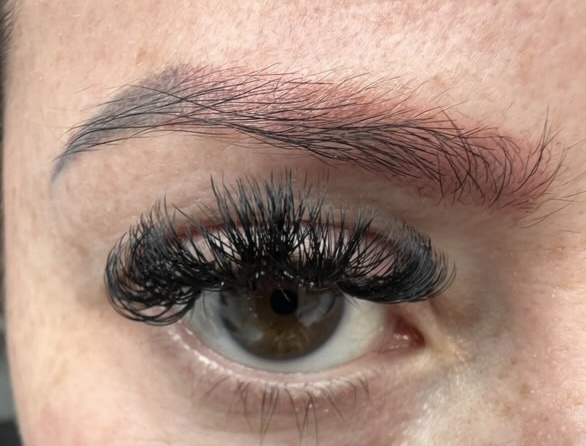
Permanent makeup removal at Confido – safe laser and a -20% discount code
Have you ever wondered whether permanent makeup removal at Confido is really safe, effective and free of unnecessary drama? The answer is simple – it is. Modern laser technology makes it possible to remove old or unsuccessful permanent makeup completely, leaving the skin healthy and smooth. At the Confido clinic this is done professionally, without […]


Have you ever wondered whether permanent makeup removal at Confido is really safe, effective and free of unnecessary drama? The answer is simple – it is. Modern laser technology makes it possible to remove old or unsuccessful permanent makeup completely, leaving the skin healthy and smooth. At the Confido clinic this is done professionally, without scarring and always based on the condition of the client’s skin. If you want your natural brows or lips back, this is the place.
To cover the topic properly, I asked Margarita Raag, a nurse at the Confido Aesthetics and Laser Therapy Clinic, to answer the most frequently asked questions about permanent makeup removal.
I also have a discount code “PMU” for you, which gets you a free consultation and -20% off the removal procedure at Confido (the offer is valid until the end of 2026).
Can permanent makeup always be removed completely?
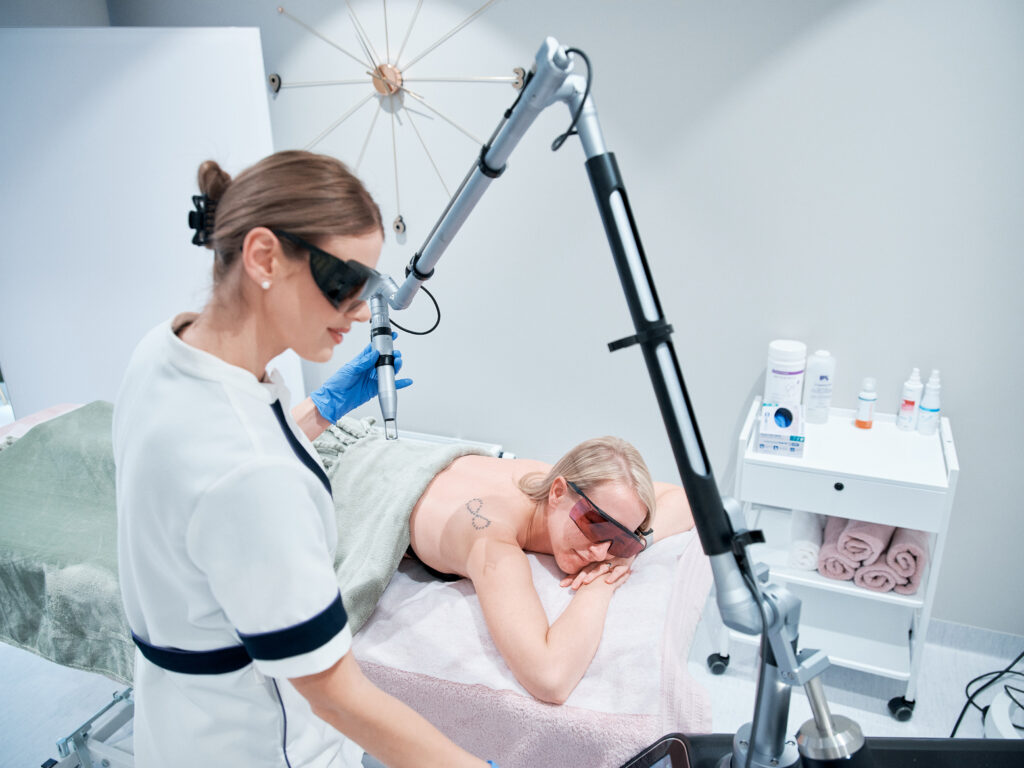
Yes, permanent makeup can very often be removed completely. In most cases the pigment disappears entirely or becomes almost invisible. The result depends mainly on the type of pigment, but also on the characteristics of the skin and the body. Over the past seven years I have removed hundreds of permanent makeup treatments, and most clients have achieved the result they wanted. There are some exceptions, though. Permanent makeup done with green or light blue ink, for example, usually needs more sessions, because different laser wavelengths are required to remove it.
How many sessions are usually needed?
The desired result is usually achieved in 3–6 sessions. The exact number depends on several factors, though: which pigment was used, and how many corrections have been done. How deep the pigment sits in the skin and how quickly the person’s body clears it also matter. The change is already clearly visible after the first session. Even so, the final number of sessions becomes clear as the work progresses.
There must be at least 6–8 weeks between sessions so the skin can recover. Only after about a month is it possible to assess how well the removal worked.
How painful is the procedure and is anaesthetic used?
The procedure is not pleasant, but it is entirely bearable. It takes a very short time, so there is no need for numbing cream. During the procedure I use a cold-air blower, which noticeably eases the sensation and makes the whole process comfortable and tolerable. Most clients describe the experience as uncomfortable rather than painful. My aim is always to make the removal safe, as comfortable as possible and free of pain.
Can scars form during or after the procedure?
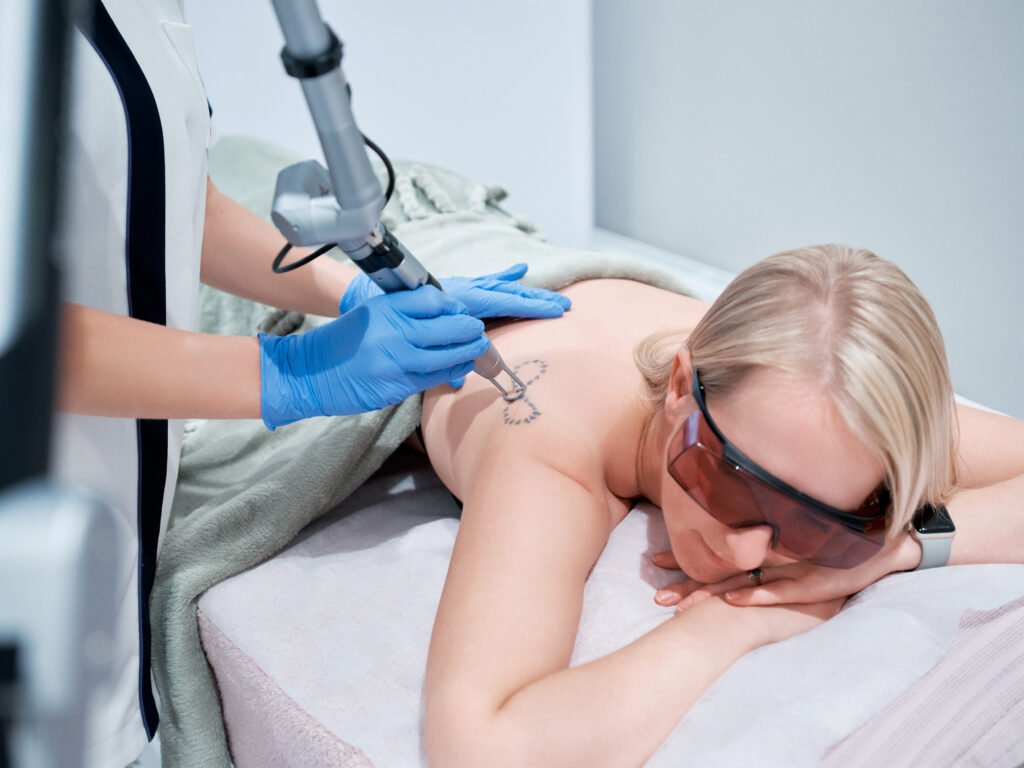
When the removal is done properly, no scars form. Slight redness and swelling are normal and pass quickly. The risk of scarring is practically nil provided there were no contraindications, the procedure was carried out correctly with suitable parameters and the skin was cooled afterwards — and provided the aftercare instructions are followed.
How long does the skin need care afterwards and what restrictions are there?
The aftercare period lasts about 7 days. During that time the skin should be kept clean and dry, saunas, solariums, swimming pools and direct sun should be avoided, and a restorative, moisturising cream should be used.
Can the pigment change colour in the meantime (red, grey, etc.)?
Yes, that is entirely possible. Sometimes the pigment changes tone during laser removal.
It depends on the composition of the pigment and which colourants the manufacturer used.
Warm tones – such as reddish or orange – can temporarily become darker or even greyish, for example. But that is not dangerous; it is a completely normal reaction to the laser. It is important to remember that this effect is temporary. Over the following sessions the pigment breaks down and the tone gradually disappears. An experienced specialist can anticipate such changes and choose the right laser wavelength so that the final result is even and safe.
How much does one session cost and what determines the final price?
The price of the procedure depends on several factors.
On average a single session costs between 90–120 euros, depending on the area.
Removing eyeliner permanent makeup can be slightly more expensive – around 175 euros – because the work is more precise and takes more time.
The eyeliner area is technically more difficult, as it is immediately next to the eye. Special protective shields are therefore placed inside the eye during the procedure so that the cornea is fully protected from the laser beam. This calls for a very precise, calm and professional approach. It is also important to understand that the final price is always determined individually.
During the consultation the colour of the pigment, the condition of the skin and any previous corrections are assessed.
Only then is it possible to say what the exact scope of work and the final price will be.
Do all colours and pigments respond to removal in the same way?
Not all tones and pigments behave the same way under the laser. It depends above all on the chemical composition of the pigment and on which colourants the manufacturer used.
Dark tones such as black, dark grey and dark blue usually come out fastest, because they absorb laser light best. Warm tones such as red, orange or pink may need more sessions. That is because they often contain iron oxide, which reacts to the laser differently.
Light tones are the most difficult to remove. White, yellow and beige pigment, for example, reflect light and the laser may not “see” them well enough.
With these tones you should therefore expect removal to take more time and patience.
Is it possible to have new permanent makeup after removal? If so, how long do you have to wait?
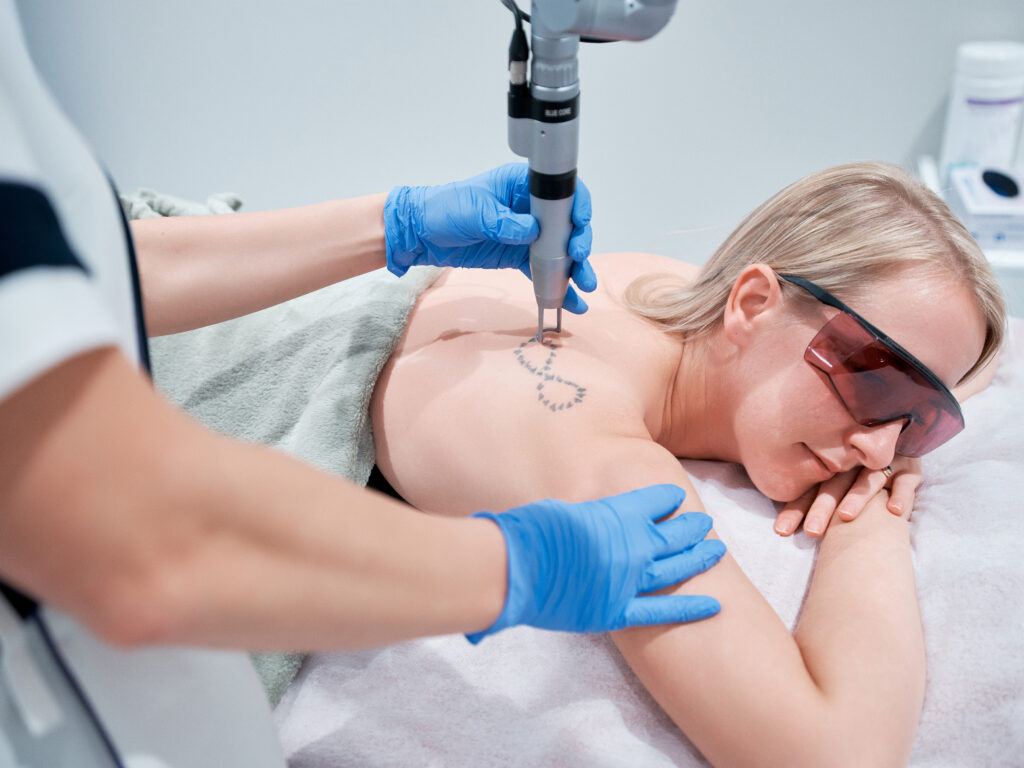
Yes, new permanent makeup is certainly possible after removal, but not straight away. The skin needs to recover and renew itself fully. The minimum waiting time is two months after the last removal session, but that applies only if the skin has healed completely. It is important that by then the pigment particles have been fully cleared from the skin and that the skin has become even, smooth and clean. Only then can new pigment settle evenly and give a beautiful, natural result.
What are the contraindications – who cannot have the procedure?
A very good question, because this is one of the most important topics before any procedure. Laser removal of permanent makeup has a number of contraindications, in which case the procedure is not performed or must be postponed.
The main contraindications are: Pregnancy and breastfeeding – during this period the body is more sensitive and hormonal changes can affect skin healing. Fresh tan or sunburn – the laser can cause pigment changes or irritation on the skin. Skin damage or inflammation in the treatment area – wounds, a herpes outbreak, eczema or dermatitis, for example. Serious chronic conditions – such as diabetes, epilepsy, oncological diseases or blood-clotting disorders. Photosensitising medication or antibiotics – these can
I also always recommend assessing the condition of the skin and general health before the procedure – if there is any doubt that the skin may not heal quickly enough, it is better to postpone. The goal is always safety and a beautiful end result, not speed.
How safe is permanent makeup removal at Confido?
Laser removal of permanent makeup is a completely safe procedure when it is performed by an experienced specialist using quality, certified equipment.
The laser works selectively, meaning it affects only the pigment particles in the skin and does not damage the surrounding tissue. There is therefore no risk to health, because the laser works with light energy of a specific wavelength that does not penetrate deeper than the dermis and does not affect internal organs or the body systemically. Correctly chosen settings cause neither scars nor pigmentation changes.
When removing eyeliner, special metal protective shields are always placed inside the eye to protect the cornea from the laser beam.